Trying to choose between a condo and a house in Palm Springs? You are not alone. In a market known for sunshine, resort amenities, and a mix of full-time and seasonal living, the right property type can shape your budget, lifestyle, and long-term comfort. This guide will help you compare condo living and home living in Palm Springs so you can make a confident decision that fits the way you want to live. Let’s dive in.
Why property type matters in Palm Springs
Palm Springs is not a one-size-fits-all market. The area is known as a resort oasis with golf, spas, outdoor recreation, and more than 300 days of sunshine each year, according to Visit Greater Palm Springs. That lifestyle can make low-maintenance living especially appealing, particularly if you plan to use the property seasonally.
At the same time, Palm Springs is considered car-dependent, with a Walk Score of 35 according to Redfin’s Palm Springs market page. For many buyers, that increases the value of features like private parking, extra storage, and outdoor space. If you plan to live in the home full-time, those details may matter just as much as the home itself.
Price is also part of the picture. Recent citywide figures place Palm Springs home values roughly in the mid-$600,000s to low-$700,000s, depending on the reporting period and source. That means your choice between a condo and a detached home can have a major impact on both your purchase price and your ongoing costs.
What condo living looks like
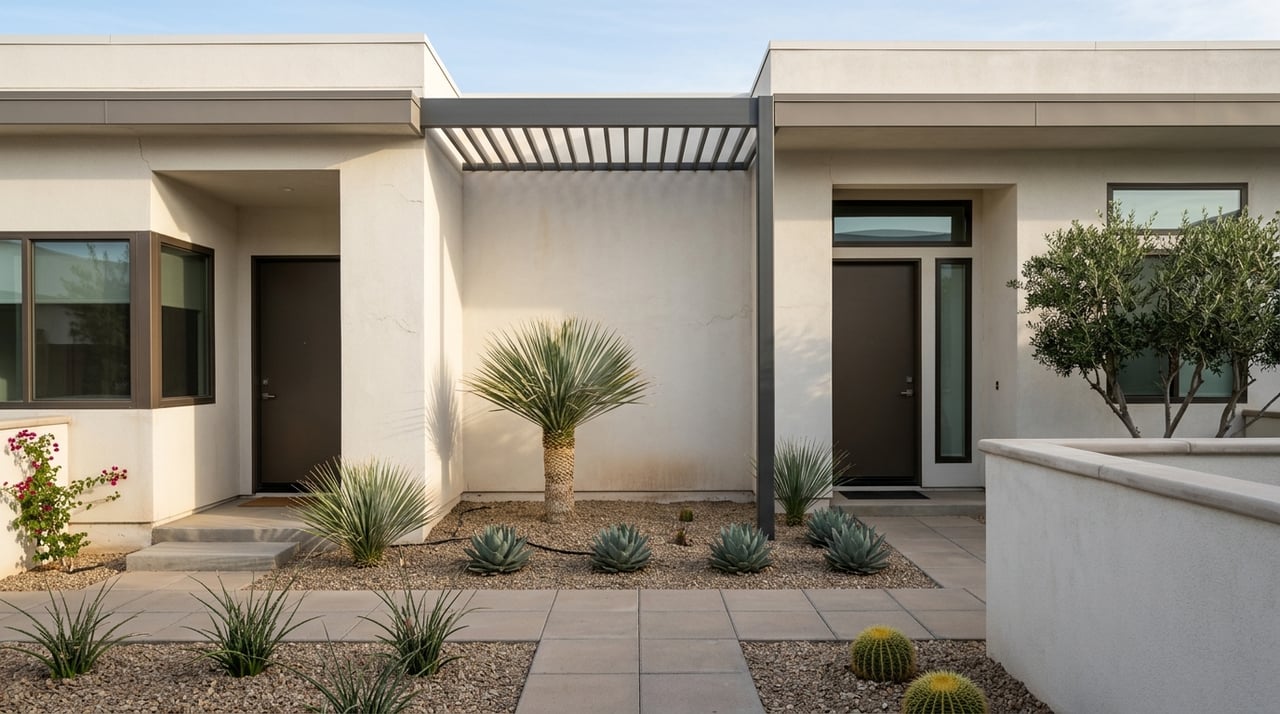
In Palm Springs, condos often appeal to buyers who want a simpler, more flexible lifestyle. If you like the idea of locking the door and leaving for part of the year, a condo may feel like a natural fit. Many condo communities are designed to reduce the amount of exterior maintenance you handle on your own.
Under California common-interest development rules, condos can include apartment-style units, townhomes, and even some detached properties. What they have in common is an HOA structure and governing documents such as CC&Rs, which help manage shared property, maintenance responsibilities, and assessments, as explained by the California Department of Real Estate.
That setup can be a major advantage if you want less day-to-day upkeep. It can also mean more rules, monthly dues, and less control over certain changes to the property. In Palm Springs, that tradeoff is often one of the biggest deciding factors.
Condo prices in Palm Springs
The condo market in Palm Springs is large enough to offer a wide range of options. Redfin’s condo page for Palm Springs shows 351 condos for sale with a median listing price of $432,000. Active listings span from the high $200,000s into the $800,000s.
Some neighborhood examples from Realtor.com’s local market pages show how accessible certain condo communities can be in comparison to detached homes. Recent examples include Palm Springs Villas II around $179,000, Racquet Club West around $229,000, Sunrise Rafael around $321,500, and Twin Palms around $379,950.
These examples show why condos often attract first-time buyers, seasonal owners, and downsizers. In a market where detached homes can rise quickly in price, condos may offer a more approachable entry point.
Condo lifestyle pros and tradeoffs
A condo may be the better fit if you value convenience and shared amenities. In many Palm Springs communities, HOA dues can cover services and features that would otherwise require your time and budget.
Typical condo advantages may include:
- Lower exterior maintenance responsibility
- Shared amenities such as pools, spas, tennis, or pickleball
- Easier lock-and-leave ownership for second-home buyers
- Lower purchase prices compared with many detached homes
Still, condo ownership comes with limits. You should expect to review HOA rules carefully, especially if you care about pets, exterior changes, parking, or rental use.
What home living looks like
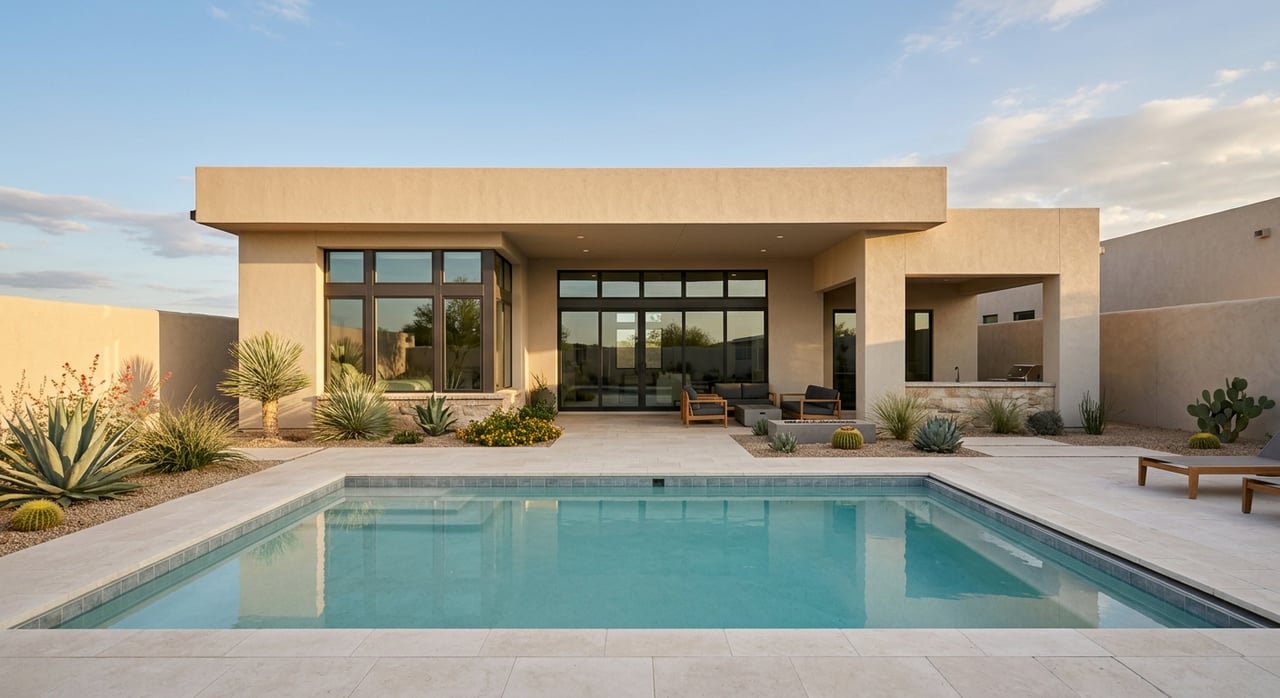
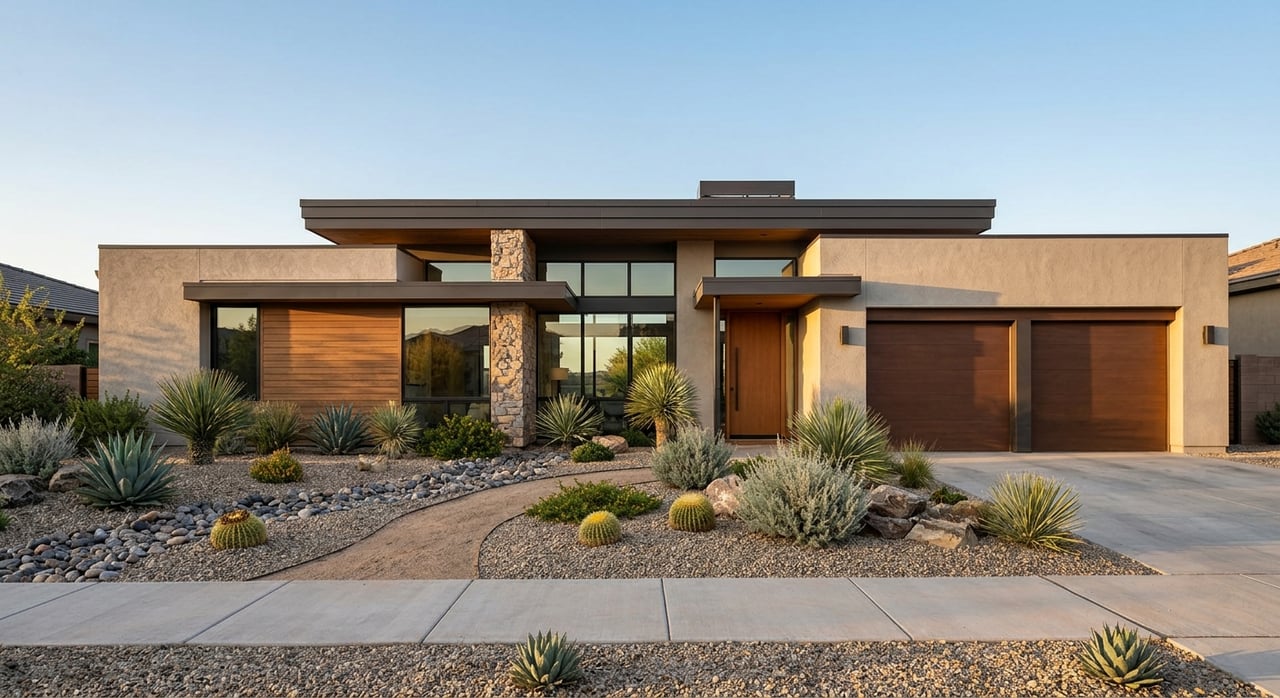
Detached homes in Palm Springs usually attract buyers who want more privacy, more space, and more control over the property. If you picture having your own yard, more separation from neighbors, or room for storage and hobbies, a house may better match your goals.
A single-family home also gives you more flexibility in many cases when it comes to remodeling, landscaping, and how you use your outdoor areas. That can be especially important in Palm Springs, where patios, pools, and mountain views are a big part of everyday living.
It is important to know that detached does not always mean HOA-free. The California Department of Real Estate notes that common-interest developments can also include detached houses, so some Palm Springs home neighborhoods still have association rules and assessments.
Detached home prices in Palm Springs
Detached homes generally cost more than condos in Palm Springs. According to Realtor.com’s Palm Springs overview, recent neighborhood median prices were about $525,000 to $565,000 in Midtown Palm Springs and College Park, around $798,500 to $817,944 in Vista Norte, and about $970,000 to $975,000 in Racquet Club Estates.
In higher-end areas such as Little Tuscany and Vista Las Palmas, prices move well above $1 million. Compared with condo communities that can begin in the high $100,000s, the price gap is significant.
That gap is one reason detached homes often appeal most to buyers who are prioritizing lifestyle features over low maintenance. If private outdoor space and freedom to personalize matter more than shared amenities, paying more upfront may be worthwhile.
Home lifestyle pros and tradeoffs
A detached home may work better for you if you want a more independent ownership experience. You may have fewer shared walls, more storage, and more room to shape the property around your needs.
Typical home advantages may include:
- More privacy
- Private yard or patio space
- Greater flexibility for updates and landscaping
- More storage and parking options
The tradeoff is responsibility. With a house, you are more likely to manage exterior maintenance, repairs, and landscaping costs directly. For some buyers, that is a benefit. For others, it feels like too much work.
HOA fees and rules can change the answer
In Palm Springs, the condo-versus-home decision often comes down to ownership structure as much as square footage. The California Department of Real Estate guide to common-interest developments explains that CC&Rs and HOA documents define common-area maintenance, assessments, insurance obligations, and architectural controls.
These documents also help explain where your money goes. HOA budgets typically cover daily operations and long-term reserve funding, and special assessments may be charged for large repairs or unexpected costs.
A current Mesquite Country Club condo listing on Realtor.com gives a real example of what HOA dues can include. That listing shows dues of $508 per month, covering garbage, water, insurance, cable TV, internet, and professional management, along with amenities like pools, spas, tennis, and pickleball.
That kind of setup can offer strong value for some buyers. Still, you should always confirm exactly what is included, how healthy the reserves are, and whether any special assessments are planned.
Rental rules matter in Palm Springs
If you are considering a second home or an investment property, rental rules deserve early attention. The City of Palm Springs says vacation rentals and homesharing are ancillary uses, require a registration certificate, and are subject to neighborhood caps. The city also requires an HOA letter confirming that the CC&Rs do not prohibit the use when the property is within an HOA, according to the City of Palm Springs vacation rental information page.
The city’s realtor FAQ also states that residential closing documents must include the city rental disclosure. This is one more reason to verify local rules and HOA restrictions before you write an offer.
For some buyers, a condo may seem ideal for seasonal use until rental restrictions limit flexibility. For others, a detached home may offer more space but still come with local registration requirements. Either way, checking these rules upfront can save you time and stress.
Condo vs home in Palm Springs
If you are deciding between the two, this side-by-side summary can help:
| Feature | Condo | Detached Home |
|---|---|---|
| Typical price point | Often lower | Usually higher |
| Maintenance | Lower exterior upkeep | More owner responsibility |
| Amenities | Often included | Usually private or self-funded |
| Privacy | Less | More |
| Outdoor space | Limited or shared | More private space |
| Rules and oversight | More HOA involvement | Varies by neighborhood |
| Seasonal ownership | Often convenient | Can require more upkeep |
Neither option is better in every case. The right choice depends on how you plan to use the property, how much maintenance you want to handle, and what kind of monthly costs feel comfortable for you.
How to choose the right fit
A condo may make more sense if you want a lower-maintenance property, shared amenities, and a home that is easier to leave for stretches of time. This can be especially appealing if you are buying a second home, downsizing, or trying to enter the Palm Springs market at a lower price point.
A detached home may be the better move if you want privacy, outdoor space, and more control over the property. This often fits full-time residents, buyers who value room to spread out, and anyone who wants more freedom to remodel or landscape.
No matter which direction you lean, review the details before making an offer. Focus on monthly dues, reserve funding, pet rules, architectural guidelines, maintenance responsibilities, and rental restrictions. Those factors can affect your day-to-day experience just as much as the bedroom count or square footage.
If you want help comparing Palm Springs condos and homes based on your budget and goals, Destiny Deam offers personalized guidance with a relationship-first approach. Whether you are buying a seasonal retreat, downsizing, or searching for a full-time home, you can schedule your free consultation and get local insight that helps you move forward with confidence.
FAQs
What is the main difference between condo living and home living in Palm Springs?
- The biggest difference is usually maintenance and control. Condos often offer lower exterior upkeep and shared amenities through an HOA, while detached homes usually provide more privacy, outdoor space, and flexibility.
Are condos more affordable than houses in Palm Springs?
- In many cases, yes. Current examples show condo pricing can start in the high $100,000s, while many detached-home neighborhoods begin around the low $500,000s and rise from there.
Do Palm Springs detached homes always avoid HOA fees?
- No. Some detached homes are part of common-interest developments and may still have HOA rules, dues, and architectural guidelines.
What should you review before buying a Palm Springs condo?
- You should review the HOA dues, CC&Rs, reserve funding, special assessment risk, pet rules, architectural controls, insurance obligations, and any rental restrictions.
Do Palm Springs vacation rental rules apply to both condos and homes?
- Yes. The city requires registration for vacation rentals and homesharing, and properties in HOAs may also need confirmation that the governing documents allow that use.
Is a condo or a home better for a second home in Palm Springs?
- It depends on your priorities. A condo may be better if you want lock-and-leave convenience and shared amenities, while a home may be better if you want more privacy, outdoor space, and independence.