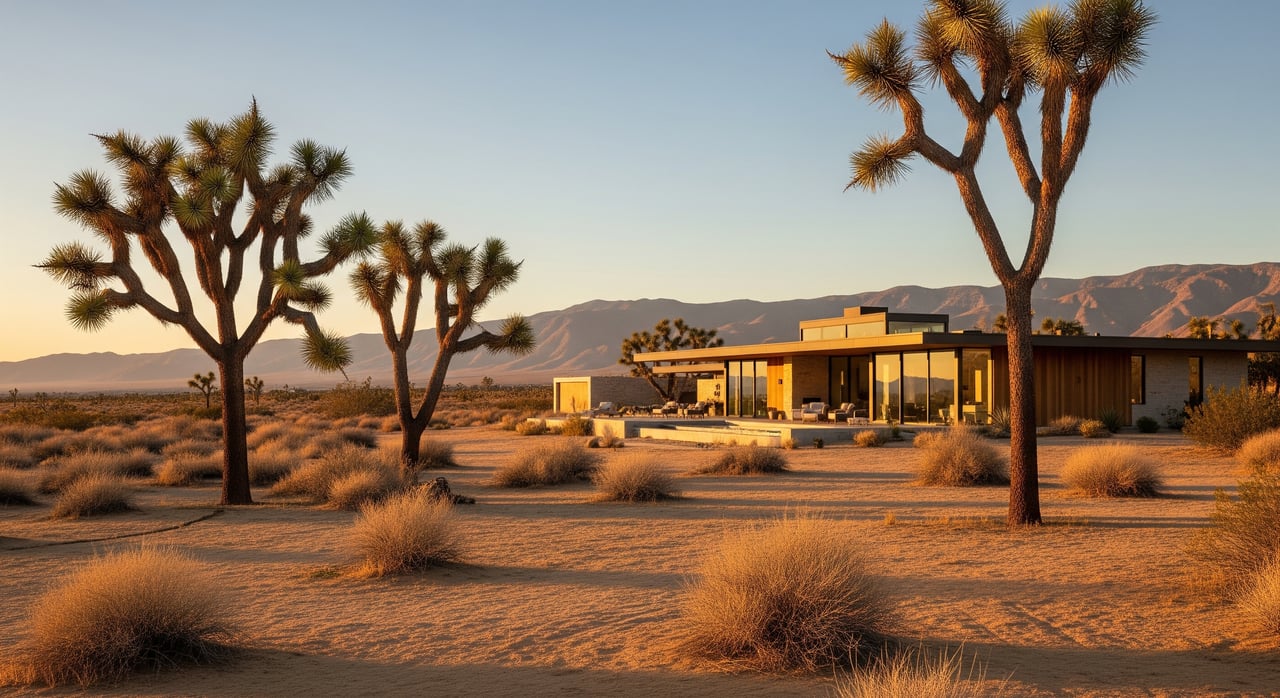
Thinking about buying a slice of open desert in Yucca Valley? You are not alone. With striking views, relative affordability, and access to Joshua Tree National Park, these High Desert lots are drawing long-term builders, second-home seekers, and small investors. In this guide, you will learn how to vet a parcel for zoning, water and utilities, access, environmental constraints, valuation, and timelines so you can make a confident offer. Let’s dive in.
Why Yucca Valley land appeals
Yucca Valley sits in San Bernardino County’s High Desert, just west of Joshua Tree National Park and along Highway 62. Many buyers come for lower entry prices compared with parts of the Coachella Valley and for the outdoor lifestyle. Investors also like the potential for appreciation and future development options.
You should weigh trade-offs. Prices may be lower than in more developed areas, but site-prep and utility extensions can cost more. Your goal is to look past the sticker price and understand the true cost to create a buildable lot.
Start with location and zoning
Confirm jurisdiction
First, confirm whether the parcel lies inside the Town of Yucca Valley or in unincorporated San Bernardino County. Jurisdiction affects zoning rules, fees, and which departments issue permits. The Town of Yucca Valley Planning & Building Department handles land use inside town limits, while county departments handle unincorporated areas.
Ask the seller or your agent for the parcel number (APN), then verify the jurisdiction through assessor records and the town’s planning staff. This quick step sets the stage for everything that follows.
Check zoning and allowed uses
Zoning determines what you can build, where you can build it, and which uses are permitted. Confirm the parcel’s General Plan designation and zoning district with the planning department. Ask these questions:
- Is residential construction allowed on this lot today?
- What are the minimum lot size, setbacks, height limits, and lot coverage?
- Are accessory dwelling units (ADUs) allowed here?
- Can you place an RV or temporary structure before a home is built?
- Are there any special overlays such as scenic, flood, or historic areas?
If you need flexibility, ask about conditional-use permits or variances. A zoning confirmation letter from the town provides clarity before you commit.
Verify legal access and title
Never assume access. Some desert parcels are landlocked or rely on informal dirt tracks. Ask for a current title report and review recorded easements, rights-of-way, CC&Rs, and any mineral reservations or liens at the San Bernardino County Recorder. An ALTA or boundary survey can verify property lines, access easements, and encroachments.
Confirm whether the road to the lot is public or private. If it is private, you may share maintenance costs under easement terms or through an HOA. Building permits may require driveway and access upgrades, so include access in your budget.
Understand utilities and water
Water: district service or well
The Hi-Desert Water District (HDWD) is the primary water provider in Yucca Valley and Joshua Tree. Some parcels fall inside HDWD’s service boundary and may be eligible for connection, while others rely on private wells or require annexation. Request a written water availability letter, and ask about capacity, mainline proximity, connection fees, and any line extension requirements.
If the lot is outside service boundaries, talk with local well drillers about typical depths and costs. Water quality varies in desert basins, so plan for laboratory testing for items like total dissolved solids and possible minerals. Also confirm permitting requirements for drilling or abandoning wells.
Sewer or septic
Parts of Yucca Valley have municipal sewer service through HDWD or other systems. If your parcel does not have sewer, you will likely need an on-site septic system approved by the county or local health authority. A soil percolation test and septic design are often required. Lots that fail a perc test may need engineered systems or may not be buildable without sewer access.
Electricity, gas, and internet
Southern California Edison typically serves the High Desert, but always verify the provider and whether service is nearby. Extending lines across distance or private land can be expensive and time-consuming. Natural gas is not always available, so many owners use propane or all-electric systems. Internet and phone options vary by location, from fixed wireless to satellite, so check coverage maps and obtain quotes if connectivity is essential.
Evaluate site buildability
Soils, slope, and grading
Desert soils range from sandy to rocky, with occasional shallow bedrock and boulder fields. A geotechnical or soils report will recommend foundation types and grading needs. Steeper lots can require engineered drainage, retaining walls, or specialized foundations, which add cost and time.
Flood and fault hazards
Even in the desert, washes and arroyos can carry sudden storm runoff. Review FEMA flood maps for flood zones and ask local flood-control staff about known issues. Yucca Valley is in a seismically active region, so consult California Geological Survey resources and Alquist-Priolo maps for any fault-rupture zones that could affect siting or design.
Environmental and fire safety
The Mojave Desert is home to sensitive species, including the desert tortoise. Depending on location and project scope, you may need pre-construction surveys and mitigation measures guided by wildlife agencies. Parcels near conservation areas or with habitat conservation overlays can carry additional requirements or density limits.
Wildfire risk is a real consideration in the High Desert. New construction must meet local and state fire codes, including defensible space, access width, address posting, hydrant or fire-flow requirements where applicable, and driveway turnarounds. Confirm requirements with the local fire authority before you finalize plans or budgets.
Price, comps, and total cost
When comparing recent vacant-land sales, look beyond acreage and location. Adjust for key variables like zoning, legal access, topography, and especially utilities. A lower purchase price can be offset by high costs to bring water, sewer or septic, and power to the site.
Common cost categories to consider include:
- Utility connections and potential line extensions
- Well drilling and pumps if no district water is available
- Septic system design and installation if no sewer is available
- Road, driveway, and culvert improvements for access and fire code
- Surveying, soils and geotechnical reports, and percolation tests
- Permit, plan review, impact, and connection fees
- Any special assessments or taxes shown on the property tax bill
Ask providers and contractors for written estimates during your contingency period. Build in a buffer for timing and price variability.
Investor lens and short-term rentals
Investors are attracted to Yucca Valley’s entry prices, recreation-driven demand, and proximity to Joshua Tree. Potential benefits include appreciation and optionality to build, hold, or resell. Risks include holding costs such as taxes and cleanup, illegal dumping risks on vacant lots, water and regulatory uncertainty, and longer timelines to deliver a buildable site.
Short-term rentals can be part of the exit strategy near Joshua Tree, but local ordinances and HOA rules may limit or require permits for STR use. Policies can change, so verify current rules with the Town of Yucca Valley and any applicable HOA before you buy.
Step-by-step due diligence
Pre-offer checklist
- Confirm jurisdiction: Town of Yucca Valley or unincorporated county.
- Pull parcel data: Get the APN, assessor records, and recorded documents from the county.
- Map the site: Review aerials, topography, and FEMA flood maps; note washes or steep areas.
- Verify zoning: Check the General Plan and zoning district; confirm permitted uses with planning staff.
- Contact utilities: Request written availability letters and estimates from the Hi-Desert Water District, the electric utility, and internet providers.
- Screen for habitat: Use state and federal species resources to identify potential survey needs.
- Check access: Confirm legal road access and recorded easements.
After offer is accepted (contingency window)
- Title and survey: Order a title commitment and an ALTA or boundary survey to verify easements and access.
- On-site inspection: Visit the lot, document road conditions, and check for evidence of flooding or dumping.
- Soils and septic: Order soils/geotechnical and percolation tests if you plan to build or if septic is likely.
- Water and sewer: Confirm HDWD connection requirements, fees, or annexation steps; or pursue well feasibility with licensed drillers.
- Power and telecom: Obtain firm line-extension or service quotes.
- Environmental review: If any industrial use or contamination is suspected, order a Phase I environmental site assessment.
- Fire requirements: Confirm driveway width, turnarounds, hydrant or fire-flow needs, and defensible-space rules.
- Tax and assessments: Review the tax bill for special assessments, Mello-Roos, or pending liens.
Timeline at a glance
- Pre-offer research: Several days to a few weeks, depending on agency response times.
- Contingency period: Surveys, soils and perc tests, and utility estimates can take a few weeks to a few months.
- Permitting to build: Plan reviews and permits typically take months and vary with the town’s workload.
- Utility extensions and access work: Can add months, especially if mainline extensions or road improvements are required.
Key documents to collect
- Current title report and title commitment
- Recorded deed and plat map
- ALTA or boundary survey
- Zoning confirmation letter from the Town of Yucca Valley
- Water and sewer availability letters from the Hi-Desert Water District
- Electric and telecom service availability letters
- Soils/geotechnical and septic perc test reports
- Any HOA documents or CC&Rs
- Conservation easements or other land-use restrictions, if any
- Local fire authority requirements and any mitigation agreements
Putting it all together
Buying desert land in Yucca Valley can be a smart move if you evaluate the full picture: zoning, access, utilities, site conditions, environmental factors, and total project costs. With the right due diligence, you can separate promising parcels from high-risk ones and move forward with confidence.
If you want a local, relationship-first guide through the process, connect with Destiny Deam to review parcels, request utility and zoning confirmations, and plan your purchase timeline. Schedule your free consultation.
FAQs
Is every lot buildable in Yucca Valley?
- Not automatically. Buildability depends on zoning, legal access, water and sewer or septic feasibility, site conditions like soils and slope, and environmental or hazard restrictions.
How do I confirm water and sewer for a Yucca Valley parcel?
- Request a written availability letter from the Hi-Desert Water District and verify if the lot is within the service boundary. If not, explore private well options and septic feasibility with the county.
What hidden costs catch Yucca Valley land buyers?
- Buyers often underestimate utility line extensions, well drilling and pumps, engineered septic systems, grading and driveway work, and permit and impact fees.
Could wildlife or conservation rules block building near Joshua Tree?
- Yes. Sensitive species, habitat conservation overlays, or proximity to protected areas can require surveys, permits, and mitigation that add time and cost. Confirm requirements early.
How do I find comparable Yucca Valley land sales?
- Use recent MLS and public sale records for similar vacant parcels, then adjust for zoning, utilities, access quality, slope, and environmental constraints. A land-focused local agent can help validate adjustments.