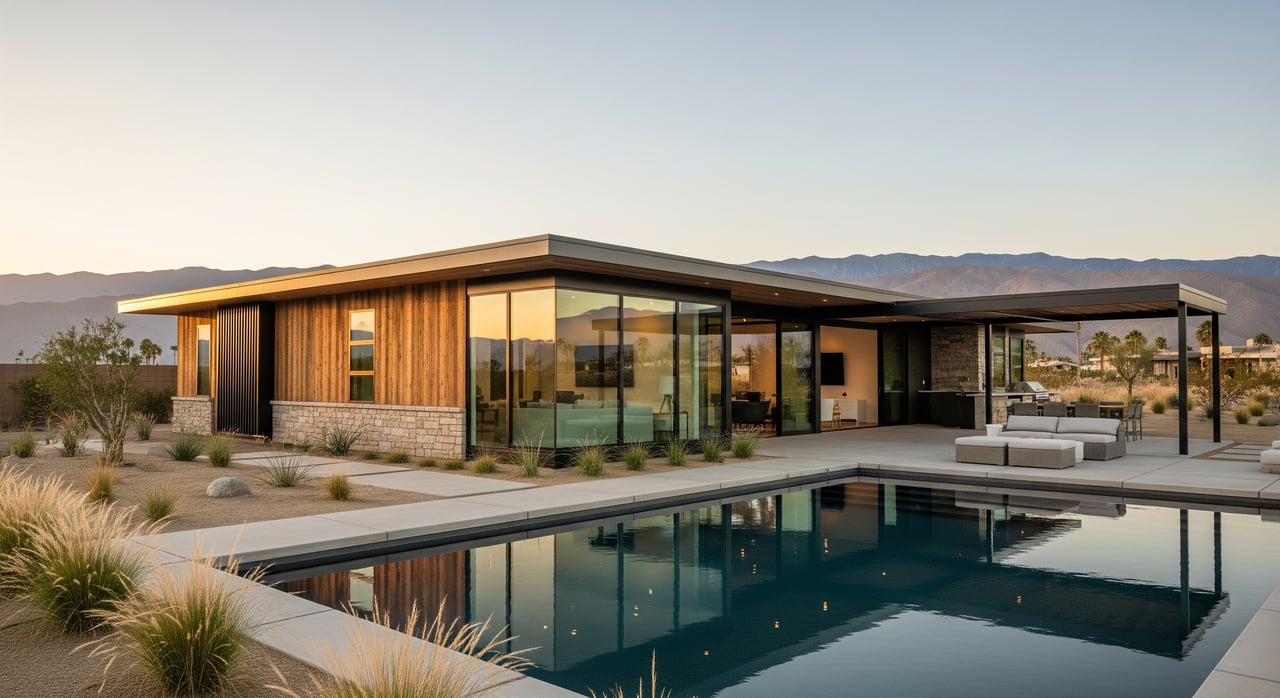
Thinking about buying a manufactured home in Thousand Palms? You are not alone. Many buyers choose this path to enjoy desert living with a more manageable price point and lower upkeep. Still, the process is different from buying a site-built house. You will face choices about parks versus private land, financing types, inspections, and county permits.
This guide walks you through what matters most in Thousand Palms. You will learn how land status affects loans and taxes, how California rules protect buyers in parks, what to inspect in a desert climate, and the steps to a smooth purchase. Let’s dive in.
What “manufactured home” means
Manufactured homes are factory-built and constructed under the federal HUD Code. Homes built after June 1976 have a HUD certification label and data plate. That label is important for financing and resale.
You will also hear the terms mobilehome and modular. In California, mobilehome is often used in laws and forms, even when referring to HUD-code units. Modular homes are built to local building codes and assembled on-site, which is a different category.
One more key term is property type:
- On leased land in a park, your home is usually treated as personal property, also called chattel.
- On owned land, if the home is permanently affixed and permitted, it can be converted to real property and financed more like a typical house.
Thousand Palms buyer context
Thousand Palms sits in the Coachella Valley in Riverside County and has a true desert climate. Summers are very hot and winters are mild. That affects your HVAC needs, insulation, exterior materials, and annual energy costs.
Because Thousand Palms is unincorporated, Riverside County agencies handle zoning, building permits, and many services. Utilities vary by address and by park. Some areas use septic systems while others are on community sewer. Always confirm water, sewer or septic, electrical capacity, and internet options for the specific property.
You should also check whether the property is in or near a desert wash or a mapped flood zone. Flash flooding can occur in the Coachella Valley during certain storms, which may affect insurance requirements.
Park vs private land in Thousand Palms
Choosing between a manufactured-home park and a home on private land is one of your biggest decisions.
Park advantages
- Lower upfront cost since you lease the space instead of buying land
- Community amenities and common-area upkeep handled by the park
- Social environment that can suit many lifestyles, including some age-restricted communities
Park tradeoffs
- Ongoing lot rent and rules set by the park
- Park approval may be required to complete a purchase
- Financing often uses chattel loans with different rates and terms
- Resale demand can be narrower compared to homes on owned land
Private land advantages
- You own the land, which can support long-term value
- Conventional mortgages may be available if the home is permanently affixed and permitted
- More control over property modifications, within county zoning and permit rules
Private land tradeoffs
- Higher upfront cost for land and site work
- You are responsible for foundation, utility hookups, and permits
Rules and protections to know in California
Several agencies and laws shape your purchase experience:
- HUD Manufactured Home Construction and Safety Standards regulate how post-1976 manufactured homes are built and labeled. Always verify the HUD certification label and data plate.
- The California Department of Housing and Community Development (HCD) oversees installation standards, registration and titling, and consumer information.
- The California Mobilehome Residency Law (MRL) governs relations between park owners and residents. It covers park rules, rent increase notices, sale procedures in parks, and resident protections.
- Riverside County Planning and Building Department controls zoning and building permits for Thousand Palms. This matters if you plan to install or convert a home to real property.
- Riverside County Environmental Health oversees septic and well permits and inspections.
Financing basics: chattel vs mortgage
Your financing path depends largely on land status and installation.
- Chattel loans are common for homes in parks on leased land. These personal property loans often have different rates and shorter terms than typical mortgages.
- Conventional mortgages may be possible when the home is permanently affixed to owned land, meets HUD and local installation requirements, and passes lender standards.
- FHA programs can insure certain loans for manufactured homes, including Title I and Title II options, depending on the setup and eligibility.
- VA loans may be available under specific conditions. Lender experience with manufactured homes is essential.
Many mainstream lenders do not finance homes in parks or older units without HUD labels. Pre-screen lenders early and compare total costs across loan types.
Insurance for desert living
Insurance varies by property type and location.
- Hazard coverage is required by most lenders and parks. Insurers consider whether the home is personal or real property and the foundation type.
- Flood insurance may be required if the home sits in a mapped Special Flood Hazard Area.
- Earthquake coverage is optional in California but worth reviewing.
- Some parks require proof of liability or specific coverages as part of their rules. Get quotes early in your process.
Due diligence for parks in Thousand Palms
If you are buying in a park, review documents and ask targeted questions. A strong paper trail helps you forecast costs and avoid surprises.
What to request and review:
- The rental agreement or space lease
- Park rules and regulations, plus any membership or association documents
- The park’s approval process for buyers, criteria, fees, and expected timeline
- Lot rent amount, billing schedule, and rent increase history
- Who pays for utilities, trash, cable or internet
- Notices about planned capital projects or special assessments
- Information about park ownership and any recent major repairs to roads, drainage, or utility systems
Also verify the park’s use type and restrictions, such as age-restricted communities, pet policies, or rules for exterior changes. Make sure these align with your plans and potential resale.
Inspections and documentation that matter
Manufactured homes benefit from specialized inspections and clear records.
Key items to verify:
- HUD Data Plate and certification label confirming HUD-code construction
- Clear title and registration, plus any recorded liens
- Permits and inspection records for installation, foundation, and utility connections
- Maintenance history for the roof, HVAC, plumbing, electrical, skirting, and tie-downs
- Pest and termite reports
- Septic inspection if the property uses a septic system
- Electrical capacity and panel condition, especially in older homes
If you plan to finance the home as real property, a foundation verification may be required to confirm that it meets lender, HCD, and local standards.
Taxes and assessments in Riverside County
Tax treatment depends on property status.
- Homes in parks on leased land are usually taxed as personal property and billed by the county under mobilehome rules.
- Homes on owned land that are permanently affixed and converted to real property are assessed like other real estate, with Proposition 13 assessment practices applying.
- Some parcels in Riverside County may carry special assessments or Mello-Roos taxes. Ask for a copy of the current tax bill and verify all ongoing obligations with the county.
A step-by-step game plan
Use this simple roadmap to stay on track.
- Clarify land status and goals
- Decide whether you prefer a park or private land. Your choice drives financing, rules, and long-term value.
- Get matched with the right financing
- If shopping parks, talk with lenders that do chattel loans. If shopping homes on land, ask lenders about conventional, FHA, or VA options for manufactured housing.
- Partner with a local agent who knows manufactured homes
- Work with a team experienced in parks, county permits, and desert-specific issues. This helps you spot red flags early and negotiate with confidence.
- Shortlist parks or parcels
- Compare lot rent, park rules, and approval timelines if you are focused on parks. On private land, confirm zoning, utility status, and whether the home is already on a permanent foundation.
- Build your total cost of ownership
- Add loan payments, lot rent if applicable, utilities, insurance, and expected maintenance. In the desert, factor in HVAC usage and roof care.
- Make a smart offer
- Include contingencies for park approval, inspections, and financing. If needed repairs are found, consider asking for seller credits.
- Complete inspections and verify permits
- Order a manufactured-home–experienced inspection, foundation verification if required, pest and termite, and septic inspection when applicable. Confirm HUD labels and installation records.
- Finalize insurance and closing details
- Bind required coverages, confirm any park requirements, and coordinate final walkthroughs and approvals.
Resale and long-term value
Resale dynamics vary by setup.
- Homes in parks often sell to a narrower buyer pool and typically rely on chattel financing, which can affect demand and pricing.
- Homes on owned land that are permanently affixed and converted to real property tend to have broader financing options and may offer stronger long-term value potential.
- Regardless of location, condition drives value. Upgrades like modern HVAC, insulation, roofing, skirting, and tie-down improvements can improve marketability. Keep records of all work for future buyers.
Buying a manufactured home in Thousand Palms can be a smart, comfortable way to enjoy desert living. With the right plan, clear inspections, and a lender who understands manufactured housing, you can move forward with confidence. If you want local guidance from first tour to keys in hand, reach out to Destiny Deam for a friendly, no-pressure conversation.
FAQs
What is the difference between manufactured, mobilehome, and modular homes?
- Manufactured homes are built to the federal HUD Code; mobilehome is a common term used in California laws; modular homes are built to local building codes and assembled on-site.
Can you get a mortgage on a manufactured home in Thousand Palms?
- Yes, when the home is on owned land, permanently affixed, and meets lender, HUD, and local installation standards; otherwise, chattel loans are common for park homes.
What inspections are essential for a manufactured home in the desert?
- A manufactured-home–experienced inspection, foundation verification if financing as real property, pest and termite, septic (if applicable), and checks on HVAC and electrical capacity.
How does lot rent work in a manufactured-home park?
- You pay monthly space rent under a lease. Ask for current rent, increase history, utility billing, park rules, and any fees or planned capital projects that could affect future costs.
What protections apply if I buy in a park in California?
- The Mobilehome Residency Law sets rules for park-resident relations, including notices, rent increase procedures, and sale processes, alongside park-specific leases and regulations.
Do I need flood or earthquake insurance in Thousand Palms?
- Flood insurance may be required if the property is in a mapped flood zone, and earthquake coverage is optional but worth considering in California.