Love the idea of being minutes from world‑class music weekends and headline concerts? Buying near Coachella’s event venues can offer a vibrant lifestyle and serious rental upside, but it also comes with rules, taxes, traffic, and noise that you should understand before you commit. In this guide, you’ll learn where key events happen, how Coachella’s short‑term rental rules work, what taxes to model, and a step‑by‑step checklist to protect your time and money. Let’s dive in.
Where the events are and when
The heart of festival season is the Empire Polo Club in neighboring Indio, home to the Coachella Valley Music & Arts Festival and Stagecoach each spring. Festival weekends draw very large crowds, which creates big, short bursts of demand for nearby rentals and lots of activity on local roadways. You can preview event context on the Empire Polo Club’s event site.
Beyond April, the region’s calendar stays lively with tennis in Indian Wells, arena concerts, equestrian shows, and casino performances. Together, these help extend rental demand and entertainment options beyond the two biggest festival weekends.
Lifestyle vs. investment tradeoffs
Perks of being close
- Strong demand spikes during major festivals can boost nightly rates for legal short‑term rentals. Industry reporting highlights how large events can drive outsized revenue opportunities for hosts during peak windows (Pollstar summary).
- Year‑round events, including arena concerts and seasonal sports, create multiple mini‑peaks beyond April.
- If you love live music and big events, proximity means less time in shuttles and rideshares and more time enjoying the experience.
Common drawbacks to weigh
- Traffic and street closures are routine during festival weekends. Expect long queues at ingress and egress and limited local movement. The City of Indio publishes traffic plans that illustrate closures and detours during these periods (traffic plan overview).
- Noise and late‑night activity increase near festival sites. Soundchecks can start before ticketed days, and production hours can extend late into the evening.
Short‑term rental rules in the City of Coachella
If you plan to host guests, start with the City’s official short‑term rental (STR) program. Coachella requires an active permit before you advertise or rent. The STR portal outlines permit types, applications, and compliance details.
Permits and timing
- Coachella issues annual permits and a limited seasonal permit. Seasonal permits for primary residences run on a set window each year. See the City’s ordinance for timing and eligibility.
- Submitting an application does not authorize renting. You must wait for the permit to be issued.
You can review permit categories, submittal items, and timelines in the City’s ordinance and program materials (Ordinance No. 1222).
Caps, contacts, and insurance
- Ownership caps: In general, an owner or entity may not hold more than five permits. The City also limits annual permit density to help manage neighborhood impacts.
- Operational standards: You must provide a nuisance response plan, name a local 24/7 contact who can respond promptly, maintain required liability insurance, and include your permit number in all advertising. Details are in the ordinance and STR portal.
Taxes and reporting
- Transient Occupancy Tax (TOT): The City set TOT at 13% effective January 1, 2025. Platforms may collect TOT, but hosts are responsible for accurate reporting. See the City’s finance page for tax guidance (City finance/TOT page).
- TBID assessment: Properties within the Greater Palm Springs TBID are subject to a 1% vacation‑rental assessment in addition to TOT. Review district details at Visit Greater Palm Springs.
- Practical modeling: Many hosts estimate a combined lodging assessment of about 14% (13% TOT + 1% TBID where applicable), plus platform fees, permit fees, insurance, cleanings, and management.
Pricing and property types in Coachella
Coachella is a growing city with about 41,941 residents at the 2020 Census, and data show owner‑occupied home values that are often lower than nearby resort cities. That matters for entry price points and potential yield per dollar invested. You can explore the city snapshot in Census QuickFacts.
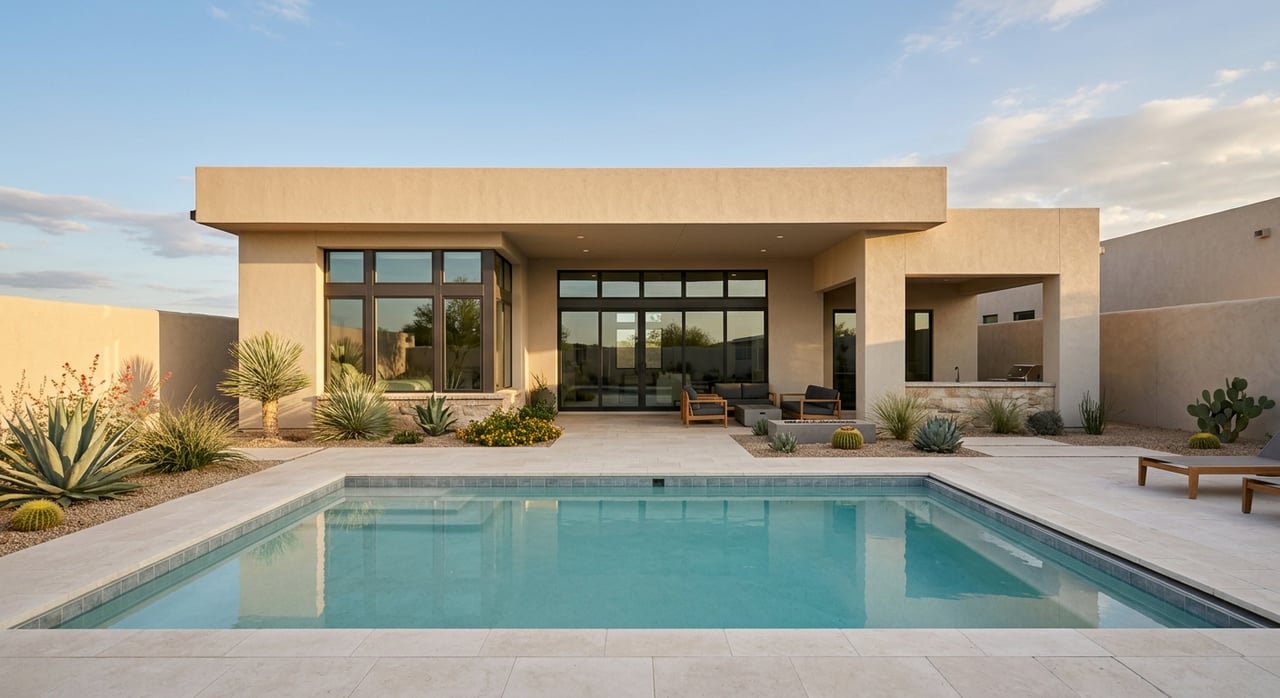
Within the city, you’ll find a mix of single‑family homes, manufactured housing, and smaller multi‑family properties. Outdoor‑oriented homes with pools and shaded yards tend to attract festival‑season renters. For live price context and current inventory, browse Coachella listings.
Traffic, noise, and access tips
- Review published traffic plans before event weekends and plan alternate routes to reduce delays (Indio traffic plan overview).
- Ask neighbors and listing agents about past experience with parking and street closures. Confirm whether the property’s driveway and garage comfortably handle your needs.
- If you are noise‑sensitive, consider distance from the Empire Polo Club and homes with dual‑pane windows, solid‑core doors, and landscaped buffers.
Buyer and investor checklist
- Confirm permitting status: Is there a current STR permit? Is it annual or seasonal? Do not rely on past rental claims without proof. Start with the City’s STR portal.
- Verify transferability: Permits are not transferable to a new owner without reapplication. Review Ordinance No. 1222 for details.
- Request records: Ask for three years of booking history and proof of TOT/TBID reporting if available, since record retention is required.
- Check HOA rules: Some HOAs prohibit or restrict STRs even if the City allows them. Review CC&Rs and any rental policies.
- Model the numbers: Include the 13% TOT and 1% TBID where applicable, platform fees, higher cleaning costs during festivals, vacancy, and management. Use conservative occupancy assumptions outside peak weekends. See the City’s tax guidance on the finance page.
- Insurance and contacts: Confirm coverage meets or exceeds ordinance minimums and line up a reliable 24/7 local contact if you will host guests.
- Parking and routes: Verify on‑site parking capacity and identify the best access routes for event ingress and egress.
Bottom line
Buying near Coachella’s venues can be a smart lifestyle move and, with the right permit and planning, a strong seasonal income play. The key is to go in clear‑eyed about rules, taxes, and event‑week logistics, and to buy a property that fits your goals the other 50 weeks of the year. If you want help stress‑testing a property’s potential or understanding local blocks and HOAs, let’s talk.
Ready to explore homes near the action or run the numbers on an STR‑friendly purchase? Connect with Destiny Deam to schedule your free consultation.
FAQs
Is it legal to run a short‑term rental in the City of Coachella?
- Yes, but only with an active City STR permit and after meeting all operational, advertising, and remittance requirements outlined on the STR portal and in Ordinance No. 1222.
How much tax will my guests pay on short stays in Coachella?
- The City’s TOT is 13% effective January 1, 2025, and properties inside the TBID district add a 1% assessment, for about 14% combined where applicable, plus any platform fees.
Are there limits on how many STR permits I can hold?
- Generally yes; the ordinance caps the number of permits per owner and limits annual permit density by neighborhood, which affects scale and competition.
What should I expect with traffic during festival weekends?
- Expect street closures, long queues, and designated pickup zones; plan alternate routes and allow extra time for both arrival and departure windows.
Where can I check current Coachella home prices and availability?
- Review live listings for real‑time pricing and inventory; browsing an active Coachella search page provides a current snapshot of the market.