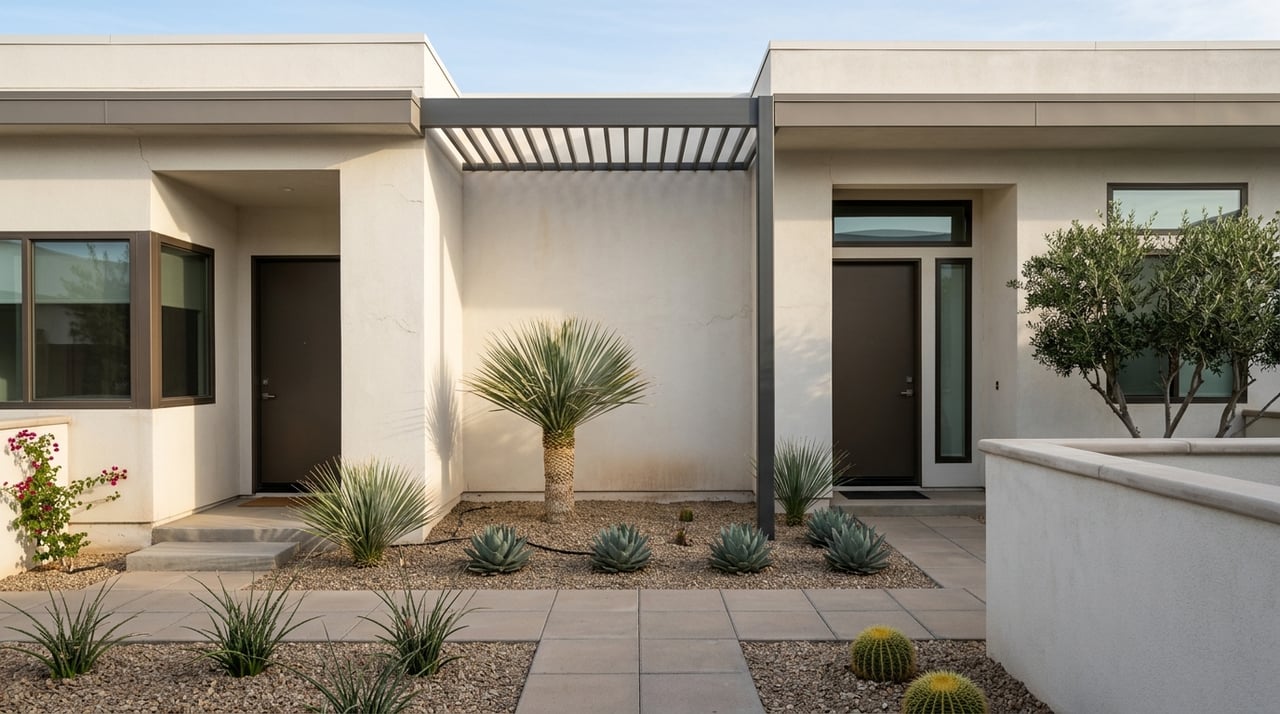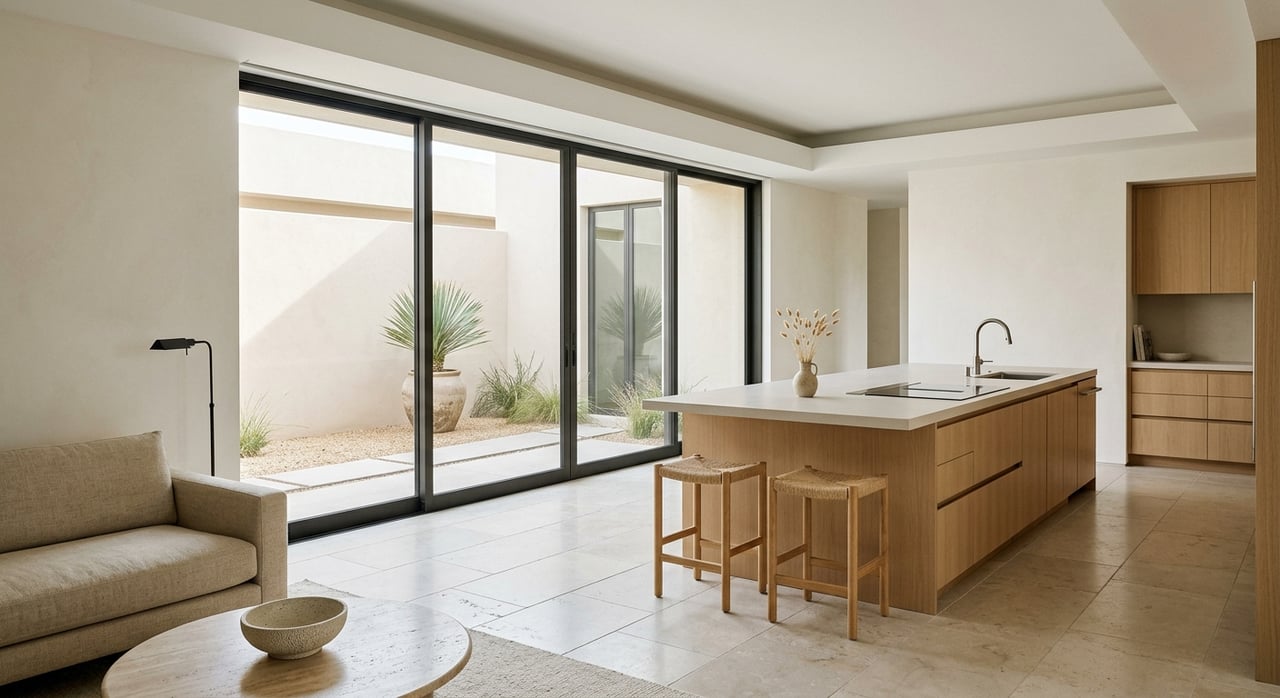
Dreaming of warm winters, golf cart sunsets, and an easy-to-manage home base close to top-tier healthcare? If you are considering a 55+ lifestyle, Rancho Mirage offers an appealing mix of resort amenities and low-maintenance living. You want comfort, community, and clarity on costs and rules before you commit. This guide gives you a simple framework to compare neighborhoods, understand how 55+ communities work, and make a confident choice. Let’s dive in.
Why Rancho Mirage works for 55+
Rancho Mirage sits in the Coachella Valley and is known for its resort feel and strong concentration of active-adult neighborhoods. Summers are very hot and winters are mild, which is ideal if you prefer seasonal or year-round sunshine. The city is largely car-oriented, and walkability varies by neighborhood. Many buyers value proximity to Eisenhower Medical Center, a major regional hospital in the city, along with local clinics and specialty providers.
Seasonal demand is part of the local market rhythm. Out-of-area buyers often shop during cooler months, which can affect inventory, pricing, and how quickly homes sell. Many communities also set rules for rentals and short-term stays. If you plan to split time, those policies matter.
Know your 55+ options
You will find a range of community types across Rancho Mirage. Start by narrowing what fits your lifestyle and budget.
- Age-restricted gated subdivisions with single-family homes
- 55+ condominium or townhouse communities
- Resort-style country club neighborhoods with golf, dining, and social calendars
- Master-planned active adult developments with amenity centers and organized activities
- Independent living or assisted-living settings (these are different from 55+ housing and follow separate licensing rules)
Understand the 55+ rules
Federal law allows bona fide 55+ communities to operate under the Housing for Older Persons Act. To qualify, a community must intend to serve 55 and older residents, publish and follow policies, verify ages, and have at least 80 percent of occupied homes with one resident 55 or older. As a buyer, ask for written proof of HOPA policies and recent age-verification procedures.
Most 55+ neighborhoods are run by homeowner associations. The CC&Rs and bylaws will set rules on occupancy, guests and caregivers, pets, amenities, and rentals. Reviewing the actual documents and recent meeting minutes will tell you more than marketing materials ever will.
What to look for on tours
Use this checklist to compare communities with confidence.
Lifestyle fit
- Activity level that matches you: fitness, arts, clubs, volunteer options
- Seasonal occupancy patterns and how that affects social life
- Noise, privacy, visitor parking, and guest policies
Amenities and maintenance
- Included features: clubhouse, pool or spa, fitness center, golf, dining, security, grounds
- What the HOA maintains vs what owners handle
- Condition and usage of major amenities
HOA health and governance
- CC&Rs, bylaws, and any amendments
- Current dues, 12-month history of increases, and any special assessments
- Budget, financial statements, and the reserve study for long-term repairs
- Pending litigation or big projects on the horizon
- Rules on rentals and short-term rentals
- Board meeting minutes for the past year
Home features and inspections
- Accessibility features: single-level layouts, doorway widths, bathroom access
- Roof, plumbing, and HVAC condition and ages
- Pest and termite history
- Energy items that matter in the desert: insulation, AC sizing, and solar if present
Safety and climate planning
- Emergency plans for extreme heat, wildfire smoke, and power outages
- Air quality measures in community centers
- Flood zone status and whether supplemental flood insurance is advised
Access to care and services
- Distance to Eisenhower Medical Center and urgent care
- Availability of licensed home-care providers and nearby assisted-living options
Transportation and daily needs
- SunLine bus access, community shuttles, and ride-share coverage
- Proximity to groceries, pharmacies, and places of worship
Rental, guest, and caregiver rules
- Policies for long-term visitors, including younger family members
- Rules for live-in caregivers and verification process
Resale outlook
- Demand drivers: amenities, reputation, and fee levels
- Any resale restrictions, transfer fees, or right-of-first-refusal
- Seasonal effects on pricing and days on market
Costs to plan for
A great fit balances lifestyle and total cost of ownership. Budget for the items below and verify each one in writing.
HOA dues and assessments
HOA dues vary widely based on amenities and services. Confirm exactly what dues cover, such as water, trash, exterior maintenance, common-area utilities, security, and staffing. Ask about special assessments and review the reserve study to see if major projects are properly funded.
Mello-Roos and special districts
Some properties in the Coachella Valley have additional parcel taxes through community facilities districts. Check the tax bill and seller disclosures for any Mello-Roos or other special taxes.
Property tax portability
Under California’s Prop 19, eligible homeowners 55 and older can transfer their taxable value to a replacement home anywhere in the state, subject to rules about value differences and transfer limits. Because implementation details can vary, consult the Riverside County Assessor for guidance on your specific situation.
Financing and lender review
Lenders look closely at HOA financials, dues, reserve funding, and any litigation. If you plan to use a VA, FHA, or certain conventional loans, the condo project may need approval. Work with a lender experienced in condo and age-restricted communities.
Insurance
For condos, the HOA master policy typically covers common areas and building exteriors. You will likely need an HO-6 policy for interior coverage and liability. For single-family homes, you will carry a standard homeowner policy. Consider California-specific exposures such as earthquake and, when relevant, flood insurance. Review HOA master policy deductibles and how special assessments are handled after a loss.
Seasonal market tips
If you plan to be a seasonal owner, confirm rental and short-term rental policies well before you buy. Seasonal demand can impact pricing and inventory, especially in cooler months. If you want more selection and less competition, consider looking before peak season starts.
How we help you decide
Choosing the right 55+ community involves lifestyle fit, fine print, and numbers. You do not have to sort it out alone.
- Local insight on Rancho Mirage neighborhoods and amenities
- A guided document review checklist for HOA financials and rules
- Introductions to lenders experienced with 55+ and condo underwriting
- Home inspectors who understand desert systems and energy needs
- A clear plan for offer strategy, negotiation, and closing
When you are ready, we will tailor tours to your needs and walk you through every step with patient, responsive support.
If you want expert help weighing options and next steps, connect with Destiny Deam to schedule your free consultation.
FAQs
What makes Rancho Mirage appealing for 55+ buyers?
- Mild winters, resort-style amenities, and proximity to Eisenhower Medical Center are key draws, with many communities designed for active-adult living.
How do 55+ communities enforce age rules?
- Communities that follow HOPA must publish policies, verify resident ages, and keep at least 80 percent of occupied homes with one resident 55 or older.
What HOA documents should I review before buying into a 55+ community?
- Ask for CC&Rs, bylaws, rules, budget, financials, reserve study, 12 months of minutes, current dues, special assessments, and any litigation disclosures.
How do HOA dues differ between communities in Rancho Mirage?
- Dues vary based on included services like security, landscaping, and amenities; always request a detailed list of what is covered and review the reserve study.
Can I bring a live-in caregiver or host younger relatives?
- Policies vary; check the CC&Rs and written rules for caregiver definitions, long-stay guest limits, and any approval or verification requirements.
How does Prop 19 help with property taxes when I move?
- Eligible owners 55 and older can transfer a taxable value to a replacement home in California, subject to program rules; confirm specifics with the county assessor.
What insurance do I need for a 55+ condo vs a single-family home?
- Condo owners typically carry an HO-6 for interiors while the HOA covers exteriors; single-family buyers need a standard policy, with optional earthquake or flood coverage as needed.
When is the best time to shop for a 55+ home in Rancho Mirage?
- Cooler months often bring more listings and buyers; looking before peak season can reduce competition but may provide fewer options.