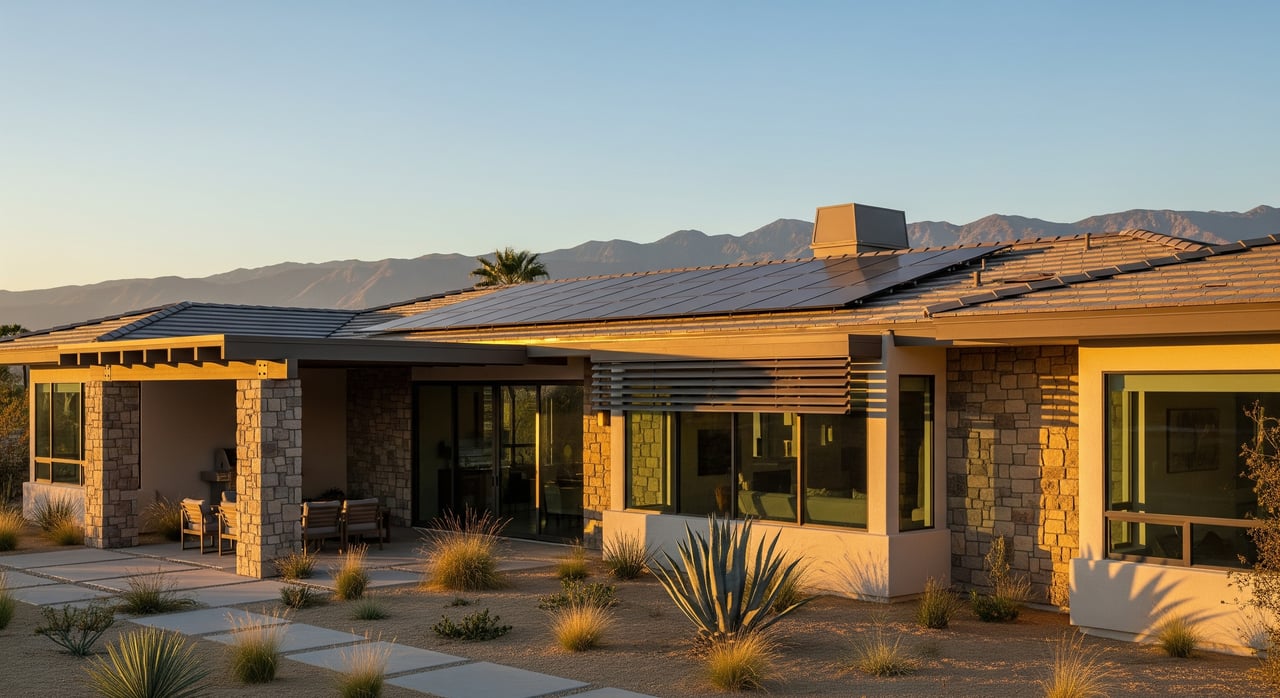
Tired of watching your summer electric bill climb as temperatures rise in Desert Hot Springs? You’re not alone. In our hot, sunny climate, cooling your home is often your biggest expense. In this guide, you’ll learn which upgrades make the biggest difference, what they cost, the incentives to ask about, and how to plan a smart, step-by-step project that fits your budget and timeline. Let’s dive in.
Why energy use runs high here
Desert Hot Springs has very hot, dry summers and big day-to-night temperature swings. Cooling loads dominate energy use most of the year, while winter heating needs are modest. Many homes also have older ducts, low attic insulation, and limited solar shading, which increase indoor heat and strain your AC. The good news is the desert sun also delivers excellent solar potential, so smart upgrades can lower bills and improve comfort quickly.
Start with an energy audit
A focused assessment helps you spend money where it matters most.
- Get a professional audit if possible. Blower-door and duct tests reveal leaks, insulation gaps, and undersized or leaky ducts.
- Do a DIY check if needed. Look for hot attics, loose or disconnected ducts, and rooms that swing hot in the afternoon.
- Use results to plan the sequence. Tackle envelope fixes and ducts first, then size HVAC correctly, then add solar and storage so you don’t oversize systems.
Prioritize cooling and comfort upgrades
Seal ducts and improve the attic
Leaky or uninsulated ducts and hot attics can waste a large share of your cooling energy. Sealing and insulating ducts, adding blown-in attic insulation, and installing a radiant barrier limit heat gain.
- Typical costs: duct sealing about $200 to $1,000 or more, attic insulation about $1,000 to $3,500, radiant barrier roughly $0.05 to $0.25 per square foot.
- Expected impact: better airflow, more stable temperatures, and noticeable cooling savings. Combined measures often pay back in 3 to 8 years depending on starting conditions.
- Pro tip: Do this before replacing HVAC so your new system can be properly sized.
Upgrade to high-efficiency heat pumps or mini-splits
Modern heat pumps cool efficiently in desert climates, and they heat efficiently during mild winters. Ductless mini-splits add zoning and avoid duct losses.
- Typical costs: central heat pump about $6,000 to $15,000 depending on size and duct condition; single-zone mini-split about $3,000 to $7,000; multi-zone about $8,000 to $20,000.
- Expected impact: upgrading from older 10 to 12 SEER AC to 16 to 20+ SEER heat pumps can cut cooling energy roughly 20 to 40% depending on setpoints and duct quality.
- Pro tip: Ask for proper sizing and confirm duct sealing and insulation work first.
Consider cool roofs and reflective coatings
A light, reflective roof or coating reduces heat transfer into your attic.
- Typical costs: reflective coatings about $1,000 to $4,000 depending on roof size and condition. Full roof replacement using cool materials costs more and is best timed with roof end-of-life.
- Expected impact: most noticeable on homes with limited attic insulation. Pairs well with attic upgrades.
Control sun with windows and exterior shading
Direct sun from west and south exposures can drive indoor temperatures up fast. Exterior solutions stop heat before it enters.
- Options: exterior blinds, awnings, pergolas, low-e window film, or replacement windows with low-e glazing.
- Typical costs: exterior shading ranges from a few hundred to a few thousand dollars; window film about $5 to $12 per square foot; window replacement varies widely and is typically several hundred to $1,000 or more per window.
- Expected impact: shading and film are often the most cost-effective first steps. Replace windows when they are in poor condition or part of a larger remodel.
Power your home with solar and optional storage
Our strong solar resource makes rooftop solar a standout investment in Desert Hot Springs.
- Typical costs: solar PV about $2.00 to $3.50 per watt installed. A 5 to 8 kW system often runs about $10,000 to $30,000 before incentives. Battery storage of about 10 kWh can add roughly $8,000 to $20,000 depending on equipment and configuration.
- Expected impact: solar offsets high summer cooling costs. Batteries add resilience and can help manage time-of-use rates by shifting when you use stored energy.
- Payback: with federal tax credits and qualifying programs, many homeowners see paybacks in the 6 to 12 year range, depending on utility rates and system design.
- Notes: net energy metering policies in California have evolved, and investor-owned utilities use time-of-use pricing. A local installer can model production and expected bill impact under current rules.
Water heating and everyday savings
Heat pump water heaters
Heat pump water heaters work very efficiently in warm spaces like garages and covered outdoor areas common in the desert.
- Typical costs: about $1,500 to $4,000 installed.
- Expected impact: can cut water-heating electricity use by about 50% or more versus electric resistance. If you have solar, shifting water heating to electricity can increase your solar value.
Pool, lighting, and appliances
Pools are common and pumps can be big energy users. Everyday upgrades add up fast.
- Variable-speed pool pumps typically pay back in about 2 to 5 years depending on use.
- LED lighting usually pays back in under 1 to 2 years and reduces indoor heat from bulbs.
- ENERGY STAR appliances and smart power strips trim baseline usage with minimal effort.
Landscaping for passive cooling
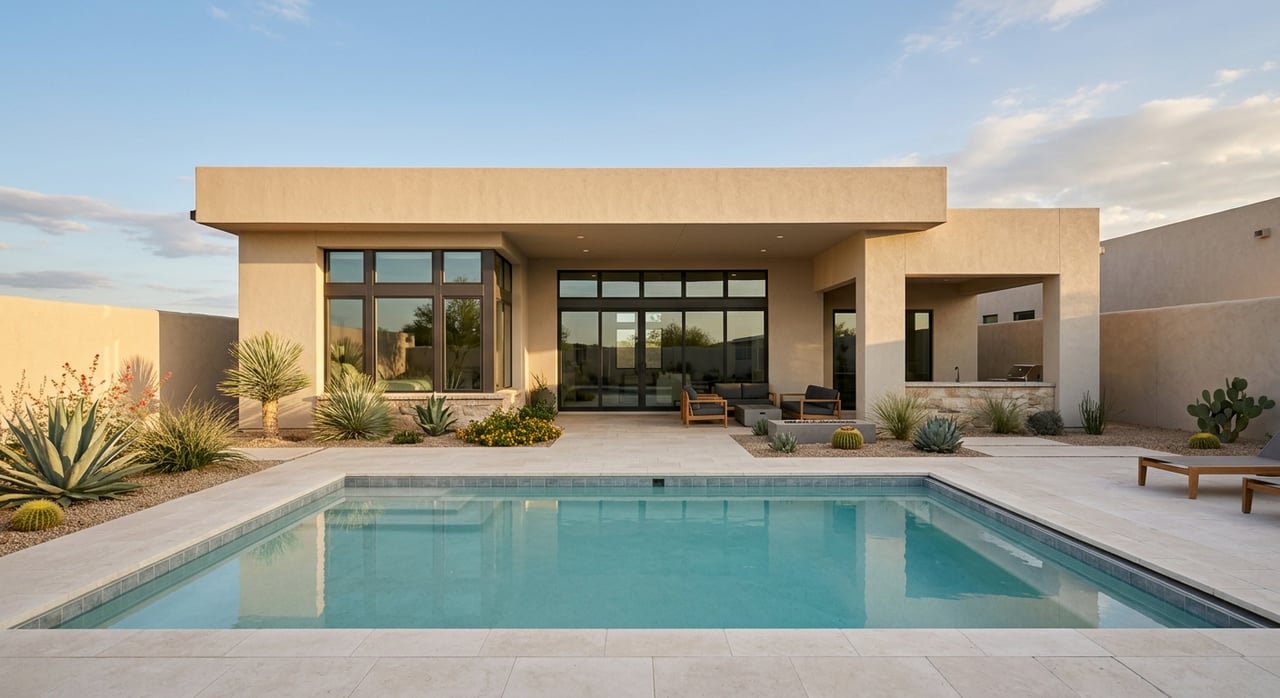
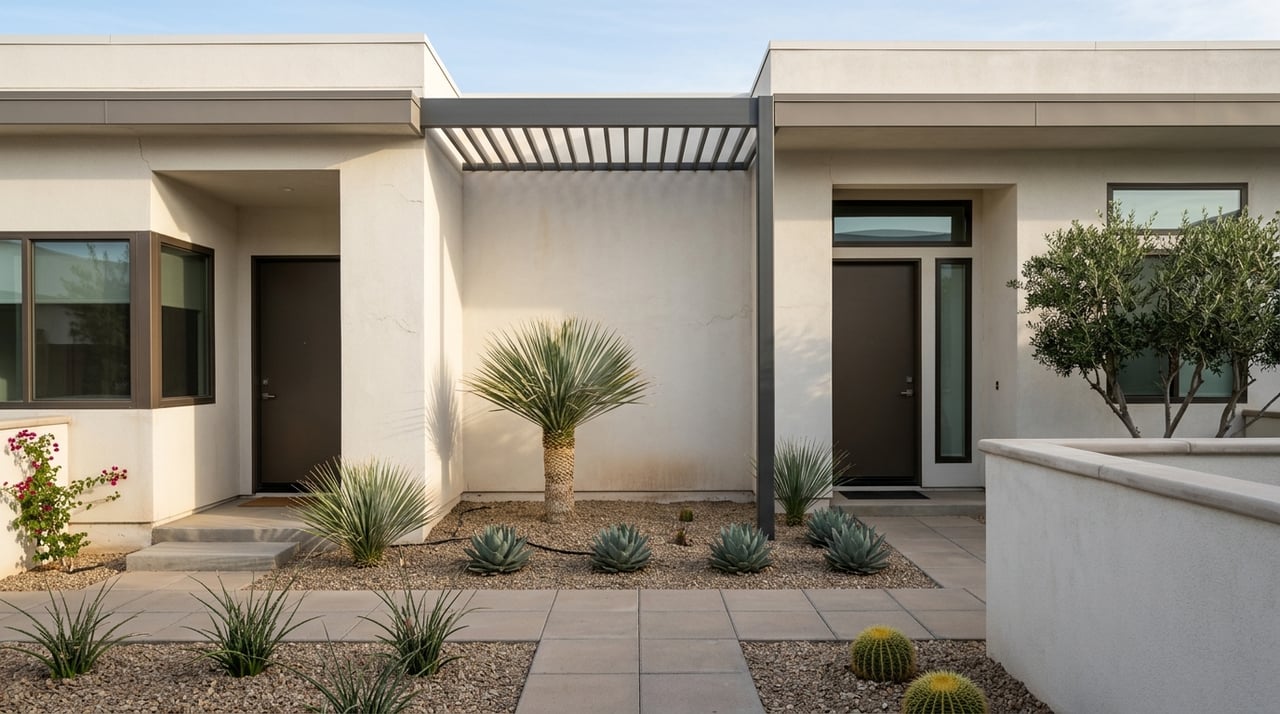
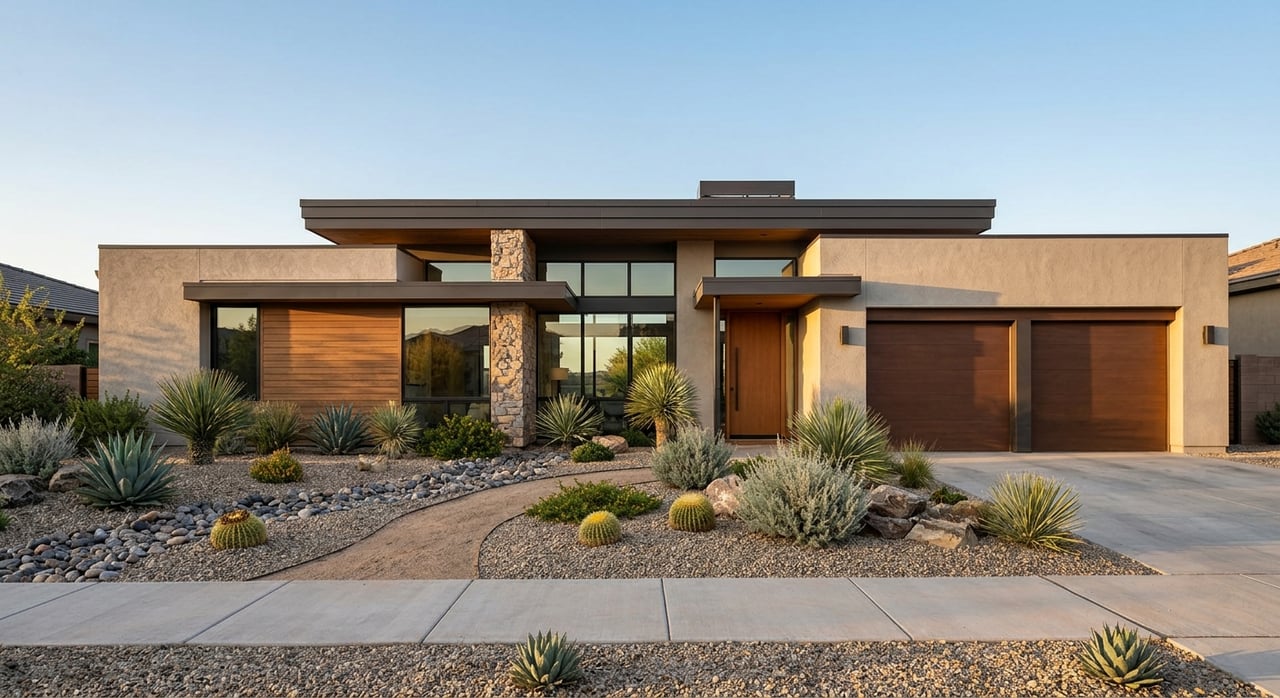
Strategic landscaping and shade structures reduce solar gain and lower temperatures around your home. Use desert-appropriate, low-water plants and lighter hardscapes. Shade trees take time to mature, so consider a mix of pergolas, sails, and native plantings to balance immediate shade with long-term benefits and water use.
Incentives, permits, and local rules
Federal and state incentives
The federal Residential Clean Energy Credit applies to qualifying equipment like solar PV, eligible battery storage, and certain clean energy systems. California's Self-Generation Incentive Program (SGIP) offers incentives for energy storage, with enhanced levels for resilience and qualifying households. Program rules and amounts change, so verify current details before you commit.
Utility rebates and rates
Southern California Edison serves much of Riverside County and often provides rebates for HVAC, smart thermostats, heat pump water heaters, and more. Southern California Gas Company may offer incentives for high-efficiency gas equipment. Time-of-use rates and demand-response programs can affect your savings, so check your actual utility account and current offerings.
Permits and HOAs
HVAC replacements, solar PV and batteries, electrical work, structural roof changes, and some window replacements usually require permits from the City of Desert Hot Springs or Riverside County. If you live in an HOA, confirm exterior change approvals early. California’s Solar Rights Act limits unreasonable HOA restrictions on solar, but aesthetic conditions may still apply.
A smart upgrade path for your home
Use this sequence to maximize comfort and savings:
- Audit first. Get diagnostic tests if possible.
- Fix the envelope. Seal ducts, add attic insulation, and consider a radiant barrier.
- Right-size HVAC. Install a high-efficiency heat pump or mini-splits after duct and attic work.
- Control the sun. Add exterior shading and window film, then evaluate window replacement.
- Go solar, then add storage if you want backup and rate flexibility.
- Tackle hot water and plug loads. Consider a heat pump water heater, variable-speed pool pump, LEDs, and ENERGY STAR appliances.
Planning a sale or purchase? How upgrades help
If you’re selling soon, completed energy upgrades can improve buyer confidence and highlight day-to-day comfort during hot months. Keep documentation for permits, equipment specs, and utility bills that show reduced usage. If you’re buying, ask about system age, duct condition, insulation levels, and any solar or battery warranties. Even if a home needs work, a clear plan and realistic budgets can help you negotiate with confidence.
Ready to map out the most cost-effective upgrades for your Desert Hot Springs home? Reach out to schedule your free consultation with Destiny Deam.
FAQs
Will solar perform well on Desert Hot Springs roofs?
- Yes. The area has strong solar potential, but roof orientation, shading, and structural condition matter. A site assessment can estimate production and layout.
Do I need to fix ducts before replacing my AC?
- Often yes. Sealing and insulating ducts first helps your new system reach expected efficiency and comfort.
Are mini-splits better than central systems here?
- It depends on your home. Mini-splits excel where ducts are poor or zoning is desired. Central systems can be cost-effective for whole-house cooling if ducts are in good shape.
Can a heat pump water heater meet my demand?
- In most single-family homes in hot climates, yes. Proper sizing and a suitable location, such as a garage, are key.
How do incentives change payback periods?
- Federal and California programs, plus utility rebates, can significantly shorten payback for solar, storage, and efficient equipment. Always verify current program details before you decide.